
County Disclosure Programs Are a Different Kind of Scale
A county filing officer isn't managing one roster — they're managing thousands of Form 700 filers spread across departments, boards, commissions, and often dozens of special districts and JPAs for which the county acts as filing officer. Add campaign finance filings for county candidates and committees, lobbyist registration where the county regulates it, and the biennial conflict of interest code review for every agency wholly within the county, and "disclosure season" becomes a year-round program.
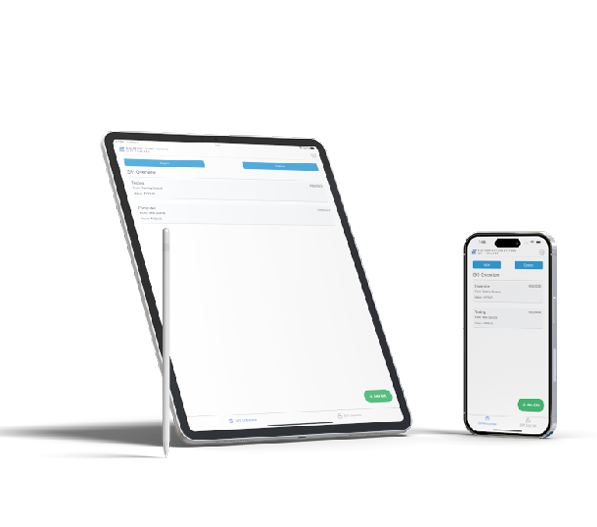
eFile was designed for that reality: one system that scales across every department and hosted agency, gives each its own filing officers and rosters, and still rolls up to a single consolidated view for the county team that owns compliance.

Enterprise features
The infrastructure county IT expects.
- Single Sign-On (SSO): integrate with your county's identity provider; county staff sign in with the credentials they already have.
- Multi-Agency Support: host special districts, JPAs, and other agencies alongside county departments — each with its own officers, code, and public portal.
- Real role-based access control: departmental admins manage their own filers without seeing anyone else's.
- Email integration: reminders and notifications sent through the county's email domain.
- Web domain integration: eFile runs on your county's own subdomain — for example, https://efile.yourcounty.gov.
- Multi-factor authentication, full audit logging, Section 508 and WCAG 2.2 accessibility, and SOC 2 Type II certified hosting on the AWS Cloud.
Switching from NetFile or Granicus? That's Our Specialty.
Most counties don't start from paper — they transition from a legacy vendor. We have deep experience migrating counties and other agencies from platforms such as NetFile and Granicus: filer and position rosters, assignment histories, and years of historical filings all come across, so your public record stays complete and searchable from day one.
Migrations are planned around your filing calendar so filers never miss a deadline, run in parallel with your existing system until you're ready to cut over, and are backed by unlimited, California-based training for filing officers and filers. Combined with FPPC certification of your system, a typical transition takes 2 to 5 weeks.
Frequently Asked Questions
Can eFile handle a county with thousands of Form 700 filers?
Yes. eFile is built for county scale: automated assignment and reminders across departments, boards, and commissions, real-time compliance dashboards for filing officers, and industry-leading performance and availability through hosting on the AWS Cloud.
Can special districts and other agencies share our county's eFile system?
Yes. eFile's multi-agency support lets a county host special districts, JPAs, and other local agencies in one system, each with its own filing officers, filer rosters, conflict of interest code, and public portal — while county admins keep a consolidated view.
Does eFile integrate with our county's single sign-on?
Yes. eFile integrates with your county's identity provider for single sign-on, supports multi-factor authentication, and offers fine-grained role-based access control so departmental admins only see what their role requires.
Can eFile run on our county's own domain?
Yes. With web domain integration, eFile runs on a subdomain of your county's official domain — for example, https://efile.yourcounty.gov — so filers and the public always know they're on an official county site. Email notifications can likewise be sent through your county's email domain.
Can we migrate from NetFile or Granicus to eFile?
Yes. Most counties come to eFile from a legacy vendor, and we have extensive experience migrating filer rosters, filing histories, and public records from platforms such as NetFile and Granicus. Historical filings remain searchable in the public portal, and the transition is planned so filers never miss a deadline.